
Can AI Handle Indian Takeaway Orders With Spice Levels?
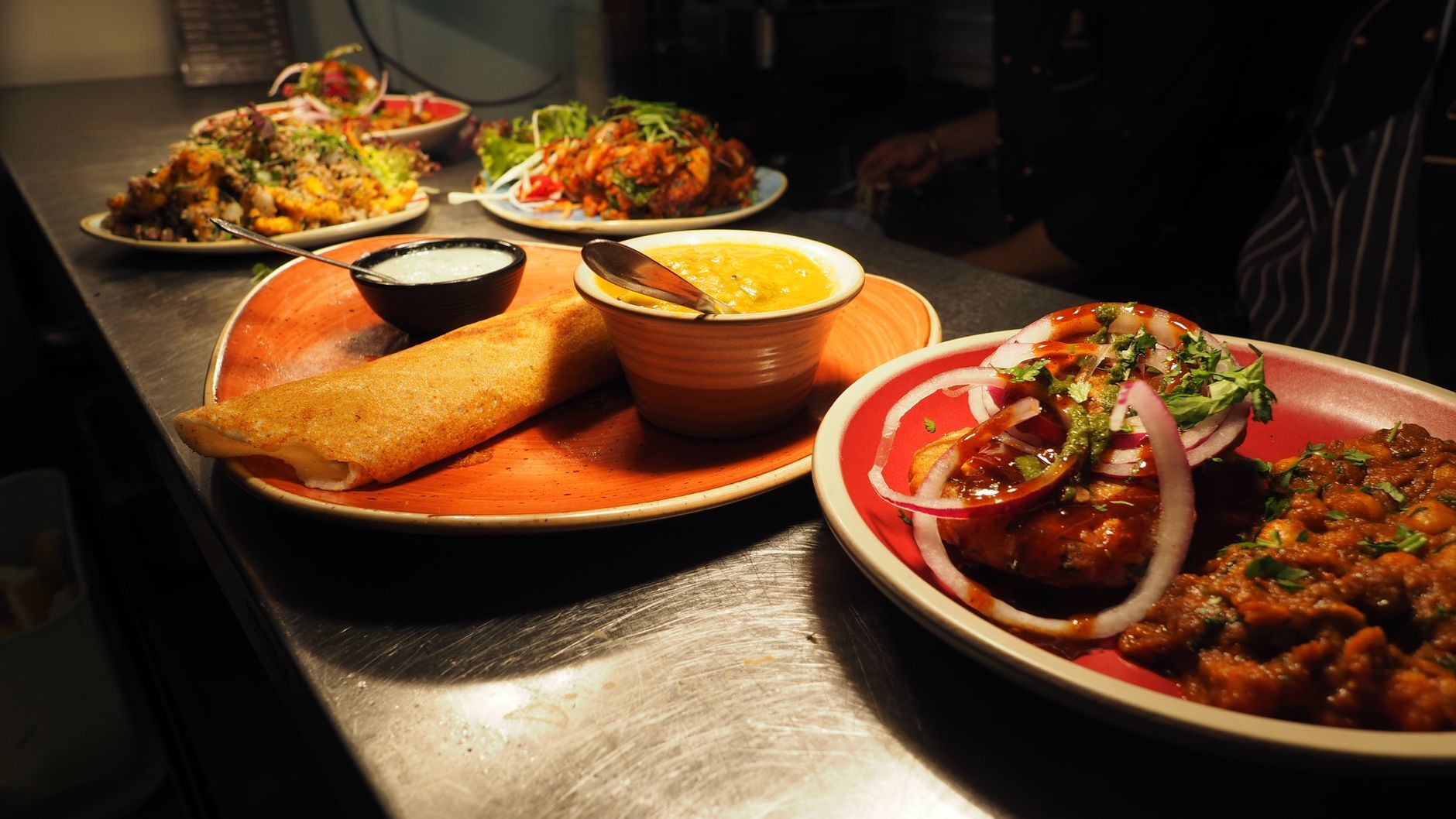
TLDR: Yes, with the right configuration. Otto is set up during onboarding around your specific menu including spice levels, portion size options, combination meal structures, and dietary requirements. For orders within that configuration, it handles them accurately and confirms back to the caller before sending to the kitchen. For orders that genuinely exceed the configured scope, it transfers to a staff member with the context already captured.
The scepticism here is well-founded. Indian takeaway phone orders are genuinely among the most complex in hospitality. A single call might involve four dishes, each with a spice level preference, a choice between full and half portion, a dietary requirement, and a request to combine items into a set meal. A new staff member would struggle with that. The question of whether an AI can handle it is legitimate.
This article gives an honest answer.
What Makes Indian Takeaway Orders More Complex Than Most?
Several dimensions of complexity stack on each Indian takeaway order. Spice levels are the most common: mild, medium, hot, extra hot, and sometimes venue-specific variations. Portion sizes matter: full and half portions are common, sometimes with different pricing. Combination meals involve specific pairings of dishes that need to be correctly associated in the order. Dietary requirements, particularly for vegetarian, vegan, and allergen-related requests, add another layer. And many customers want to mix and match items across categories in ways that are unique to their preferences.
Each of these dimensions is manageable individually. The challenge is that they stack. A caller ordering three mains, two sides, and two pieces of bread, each with specific spice levels and a couple of them with half-portion requests, and the whole thing structured as a set meal combination, is asking for something that requires attentive, accurate handling.
How Does Otto Handle This Level of Complexity?
Otto handles complex Indian takeaway orders because it is configured around your specific menu, not a generic template. During onboarding, the Otto team builds in your spice level options and how they are expressed, your portion size variations and their pricing, your combination meal structures, your dietary notation system, and any other modifier rules your kitchen needs to produce the order correctly.
A caller placing a complex multi-item order with spice levels on each dish is handled in natural conversation. Otto captures each element, asks clarifying questions when needed, and confirms the full order back to the caller before sending it to the kitchen. The confirmation step is particularly important for complex orders: it gives the caller an opportunity to correct anything before the order is finalised.
For a venue where orders regularly involve multiple stacked modifiers, the configuration at onboarding is more detailed than for a simpler menu. The Otto team works through this with you. Most Indian takeaway venues are live and handling real orders correctly within one business day.
Where Are the Genuine Limits?
This is the honest part of the answer. Otto handles orders within its configured scope. Requests that fall outside that scope trigger a transfer to a staff member.
A request that is genuinely unusual, something your kitchen could technically accommodate but that is not in the standard ordering options, may need a human to handle. Otto recognises when it has reached the edge of its configuration and transfers rather than attempting to handle something incorrectly.
The transfer is handled cleanly. The caller is told they are being connected to a team member. The context of the call is captured so the staff member does not start from scratch. For most calls to an Indian takeaway, the orders fall within the configured scope. It is the genuinely unusual requests, things that would also require a manager conversation for a new staff member, where the handoff is appropriate.
How Does This Compare to the Current Situation During Peak Service?
The current reality for most Indian takeaway operators during Friday evening service is that complex orders get rushed. A staff member who is managing the kitchen, handling in-venue customers, and trying to take phone calls simultaneously is not giving each complex phone order the attention it deserves. Spice levels get assumed. Portions default to full. Combination meal structures get simplified. These errors lead to remakes, dissatisfied customers, and occasionally negative reviews.
Otto gives every call the same level of attention regardless of how busy the service is. The quality of order capture on call 50 of the night is the same as call 1.
You can test this on your own menu during the 14-day free trial at callotto.ai/start-free-trial. Place the most complex order you regularly receive and confirm how Otto handles it before committing.
Frequently Asked Questions
Can an AI phone agent handle spice level requests for Indian takeaway orders?
Yes. Otto is configured during onboarding with your specific spice level options including mild, medium, hot, extra hot, and any venue-specific variations. Spice level preferences are captured per dish in the order and confirmed back to the caller before the order is finalised.
What happens when an Indian takeaway order is too complex for Otto to handle?
For orders that exceed Otto's configured scope, it transfers the call to a staff member. The context of the call is captured before the transfer so the caller does not need to start over. The transfer is triggered when a request falls outside the configured modifier rules, not based on the length or complexity of the order within the configured scope.
How does Otto handle combination meal requests with multiple items and specific portions?
Combination meal structures are built into the configuration during onboarding. You explain how your combination meals work, which items can be combined, and how they are priced. Otto applies these rules during the call and confirms the combination structure back to the caller before sending the order.
Can Otto handle dietary requirements like vegetarian or allergen requests for Indian food?
Dietary requirements are captured as part of the order when they are within the configured scope. Common dietary requests like vegetarian or vegan are handled if configured during onboarding. For complex allergen requests that require kitchen-level confirmation, a transfer to a staff member is the appropriate response.
How long does it take to configure Otto for a complex Indian takeaway menu?
Most venues are live within one business day of completing onboarding. For a complex menu with multiple modifier dimensions, the onboarding conversation is more detailed than for a simpler menu. The Otto team works through your modifier rules with you systematically. You test the result before going live.
Key Takeaways
Otto can handle complex Indian takeaway orders including spice levels, portion sizes, and combination structures when configured correctly. The honest limits are orders outside the configured scope, which are transferred to a staff member.
- Otto is configured around your specific modifier rules during onboarding, not a generic template
- Spice levels, portion sizes, combination meals, and dietary requirements are all configurable
- Orders outside the configured scope trigger a graceful transfer to a staff member with context captured
- The confirmation step before sending the order to the kitchen is particularly important for complex multi-modifier orders
- Quality of order capture is consistent across every call regardless of service pressure
- Start the 14-day free trial at callotto.ai/start-free-trial
Photo by Chan Walrus on Pexels