
My Pizza Shop Gets Orders Like Half-and-Half Toppings, Extra Sauce on One Side, and No Cheese on the Other. Can an AI Phone Agent Actually Follow That?
TLDR: Yes, when configured correctly. Otto is set up during onboarding with your specific modifier rules: how half-and-half works at your shop, what topping variations are available, and how instructions like extra sauce on one side are captured. It confirms the full order back to the caller before sending it to the kitchen. For orders that genuinely exceed what it has been configured to handle, it transfers to a staff member.
The scepticism here is completely reasonable. If you have ever watched a human phone operator struggle to accurately capture a complex pizza order mid-service, the idea that an AI could do it consistently is worth interrogating before committing to anything.
This article walks through honestly how complex modifier handling works, what a real complex order looks like in practice, and where the limits are.
How Does Otto Actually Handle a Complex Half-and-Half Order?
Otto handles complex modifier orders because it is configured around your specific menu during onboarding. The configuration is not a generic template. It is built around how your shop specifically handles half-and-half orders: what the topping options are, how extra sauce on one half is interpreted by your kitchen, and what notations go on the ticket so the order is made correctly.
A caller who says "I want a large half pepperoni half vegetarian with extra sauce on the whole thing, no cheese on the vegetarian half" would receive a response that captures each element, confirms it back to the caller, and asks any necessary clarifying questions before the order is finalised. The confirmed order is sent to the kitchen with the same notation a staff member would use.
The key difference between Otto and a generic automated system is that Otto has been configured to understand your specific options, not a generic pizza template. If a topping is not on your menu, Otto does not offer it. If a modifier is not something your kitchen can accommodate, Otto does not accept it.
What Does the Onboarding Process for a Complex Pizza Menu Look Like?
During onboarding, the Otto team asks you to walk through your modifier rules. For a pizza shop this includes: how half-and-half is handled on your menu, what toppings are available and whether any have quantity options, how extra sauce or extra cheese works, whether stuffed crust or different bases apply, how meal deals interact with individual items, and any other customisation your kitchen regularly handles.
You explain this in plain language. The team builds it into the agent. You test it by calling the trial number and placing a complex order as a customer would. If it does not capture something correctly, you flag it and the team adjusts.
Most pizza shops are live and handling real orders correctly within one business day of completing this process.
Where Are the Limits? When Does Otto Hand Off to a Staff Member?
This is the honest part of the answer and it matters. Otto handles modifier combinations that are within its configured scope. Orders that fall outside that scope, either because the configuration did not anticipate them or because the caller's request is genuinely unusual, trigger a transfer to a staff member.
The transfer is handled gracefully. The caller is told they are being connected to a team member. The context of the call up to that point is captured so the staff member does not start from scratch. The caller does not have to repeat the first half of their order.
For the vast majority of calls to a pizza shop, the order falls well within the configured scope. Complex half-and-half orders with standard modifier combinations are exactly the kind of order Otto is built to handle reliably. It is genuinely unusual requests, things that would confuse a new staff member too, where the handoff is appropriate.
You can hear how Otto handles calls at callotto.ai/hear-otto and test it on your own menu during the 14-day free trial at callotto.ai/start-free-trial.
How Does This Compare to a Human Phone Operator During a Busy Service?
A human operator taking a complex pizza order mid-service is managing several competing demands simultaneously. They are listening to the caller, writing down or entering the order, managing the noise of the kitchen, and thinking about the next call in the queue. Under those conditions, errors are common. A missed modifier, an incorrect half, or a forgotten meal deal happens regularly.
Otto takes each call with full attention on that caller. There is no background noise affecting its concentration, no queue of tickets it is thinking about, and no fatigue across a four-hour Friday service. The consistency of the output at call 80 of the night is the same as it was at call 1.
Frequently Asked Questions
Can an AI phone agent accurately handle half-and-half pizza orders with different toppings on each side?
Yes, when configured correctly. Otto is set up during onboarding with your specific modifier rules including how half-and-half works at your shop. It captures each element of the order in conversation, confirms it back to the caller, and sends it to the kitchen as specified.
What happens when a pizza order is too complex for Otto to handle?
For orders that exceed Otto's configured scope, it transfers the call to a staff member. The context of the call is captured before the transfer so the caller does not need to repeat their order. The transfer is triggered when a request falls outside what the agent has been configured to handle, not based on order length or complexity within the configured scope.
How does Otto get configured to understand a specific pizza shop's modifier rules?
During onboarding, the Otto team asks the venue to walk through their modifier rules in plain language: how half-and-half works, what topping options exist, how extra sauce or cheese is handled, and how meal deals are structured. The team builds this into the agent. The venue tests it before going live.
Is Otto more accurate than a human phone operator for complex pizza orders?
For orders within its configured scope, Otto applies the same standard consistently on every call. A human operator under peak service pressure makes more errors on complex orders than they would on the same orders taken calmly. Otto does not have a Friday night performance degradation. Whether that constitutes more accurate depends on the specific comparison, but the consistency across a full service is a genuine advantage.
Can I test how Otto handles a complex order before committing?
Yes. The 14-day free trial at callotto.ai/start-free-trial builds a working Otto on your actual menu. Call it and place the most complex order you regularly receive to confirm it handles it correctly before going live.
Key Takeaways
Otto handles complex pizza orders including half-and-half toppings and modifier stacking when configured correctly during onboarding. The honest limits are orders outside the configured scope, which trigger a graceful transfer to a staff member.
- Otto is configured around your specific modifier rules during onboarding, not a generic pizza template
- Complex half-and-half orders with standard modifier combinations are within the designed scope
- Orders outside the configured scope trigger a transfer to a staff member with context already captured
- Consistency across a full service is a genuine advantage over human operators under peak pressure
- Test it on your own menu during the 14-day free trial before committing
- Start at callotto.ai/start-free-trial
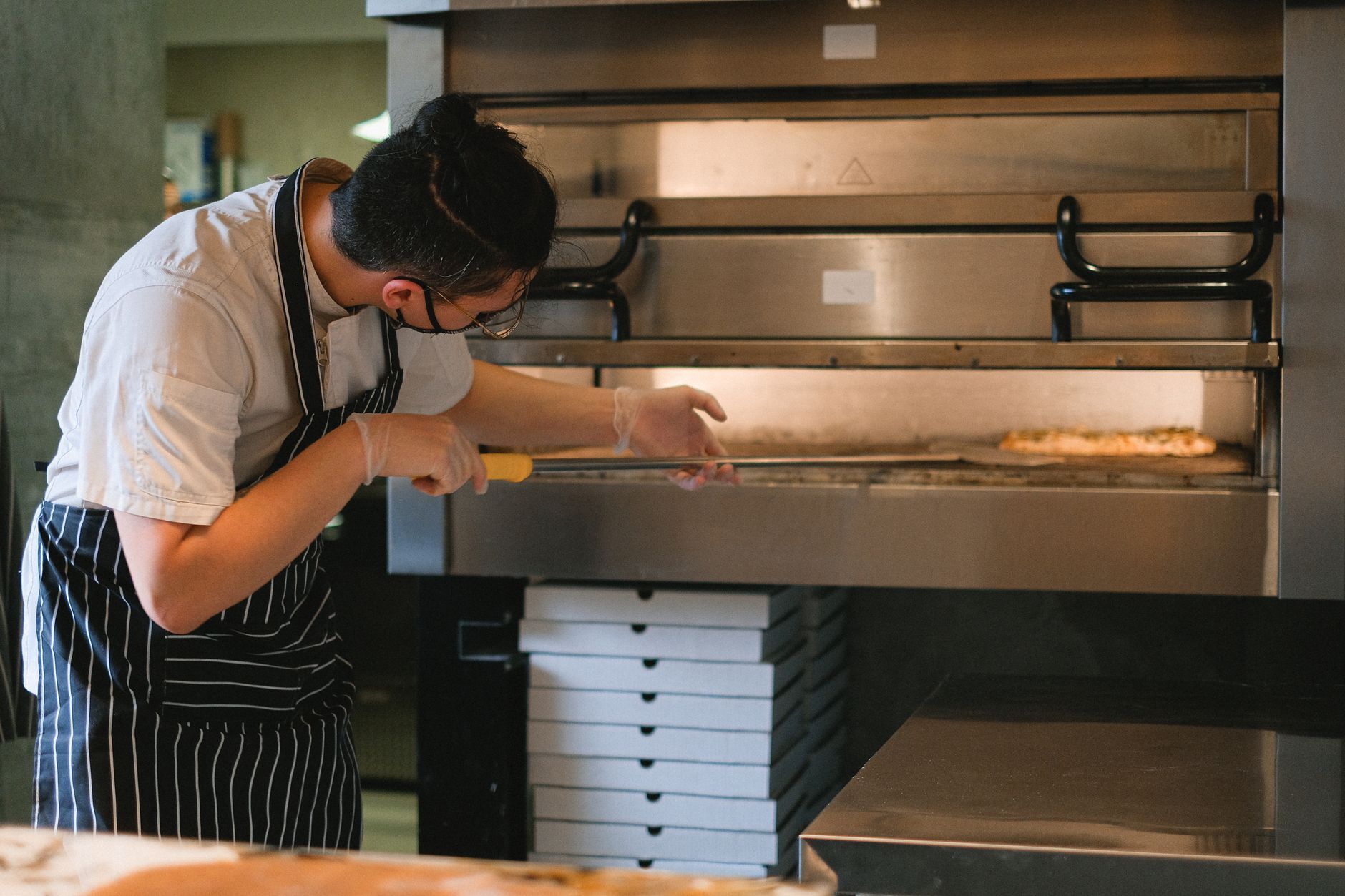
Photo by Anna Shvets on Pexels